
Types of Psychotherapy
Comprehensive Resource Model (CRM)®
Comprehensive Resource Model (CRM)® is a neurobiologically-based, somatic trauma therapy designed to address deep-rooted trauma, attachment disruptions, and developmental wounds.
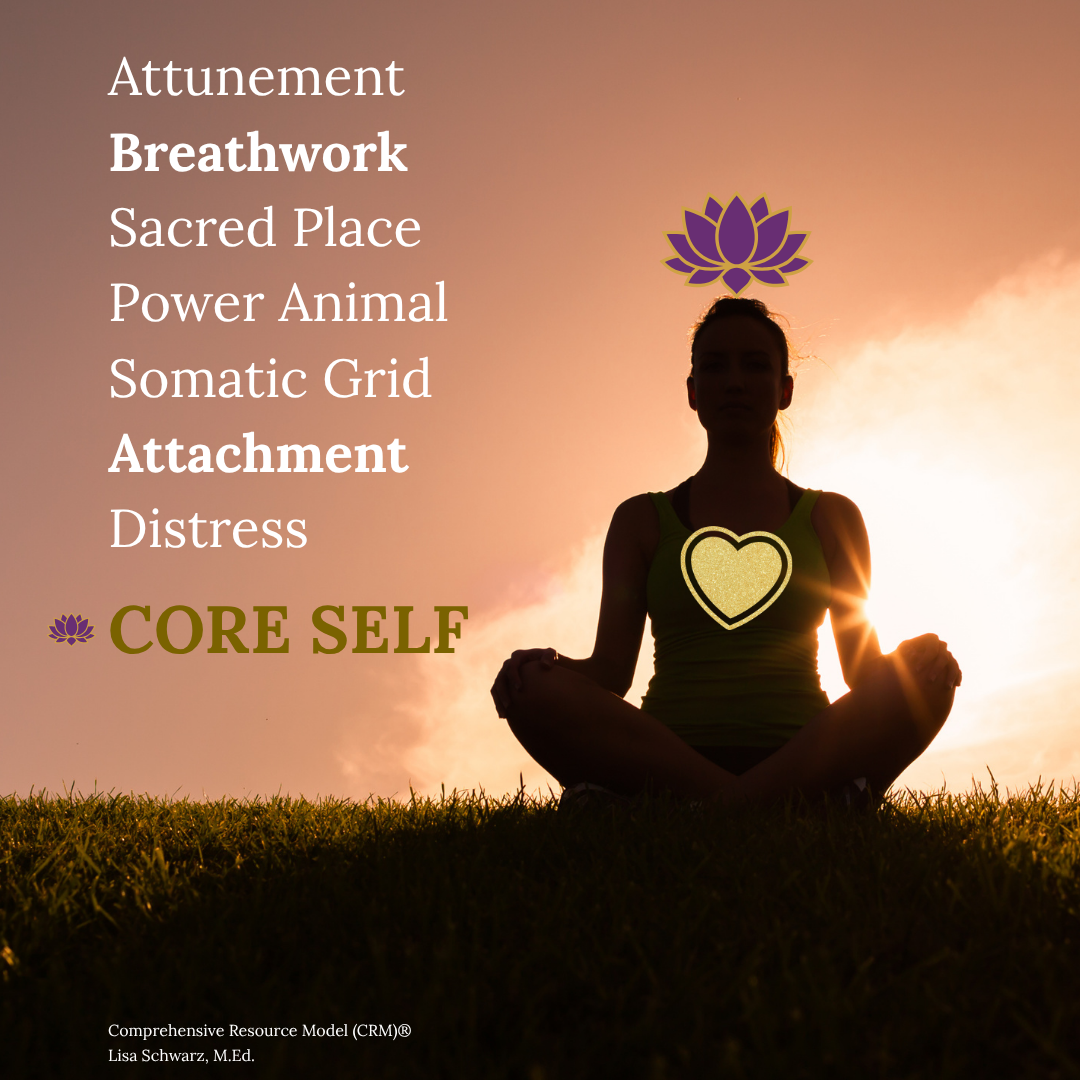
Unlike traditional talk therapies, CRM focuses on anchoring the nervous system before and during the processing of traumatic memories. By utilizing specific breathwork, internal "sacred places" anchored by spiritual or natural attachment figures (such as power animals or sacred beings), and somatic grids (physiological anchors within the body), CRM provides an exceptionally high level of internal resourcing. This robust scaffolding allows you to remain fully present and within your window of tolerance while processing painful experiences, preventing the re-traumatization or emotional flooding that can sometimes occur in therapy.
How It Promotes Healing
By establishing this deep internal safety, CRM allows you to:
Rewire the Brain: Create and integrate new neural pathways of secure attachment during and after trauma processing.
Heal Attachment Wounds: Engage in targeted inner-child work to reparent wounded parts of yourself, addressing unmet childhood needs so old pain can be fully felt, resolved, and released.
Access Non-Traditional Attachment Resources: Utilize internal imagery—including power animals, sacred beings, or benevolent guides—to experience the safety, protection, and nurturance that may have been missing in early life.
Reconnect with Your Core Self: Move beyond chronic survival responses (fight, flight, freeze, or fawn) to heal your relationship with yourself and remember who you are at your core.
Is CRM Right for You?
I have completed basic training in this specialized trauma treatment model. In my practice, CRM is particularly effective for individuals experiencing:
Post-Traumatic Stress Disorder (PTSD), Complex PTSD (C-PTSD), and developmental trauma
Dissociation or feelings of fragmentation
Identity instability or feeling disconnected from oneself
Intense emotional flooding or hyperarousal
If you find that traditional talk therapy feels insufficient or overwhelming, the structured somatic resourcing of CRM can provide the safety and stability needed for profound, lasting healing.
To learn more, please visit the CRM® website.
Eye Movement Desensitization and Reprocessing (EMDR)
EMDR is a specialized trauma therapy designed to help the brain process and integrate distressing memories that have become "stuck" in the nervous system. Using bilateral stimulation—such as guided eye movements, bilateral sounds, or gentle tactile taps—we access traumatic memories, emotions, and body sensations while keeping you safely grounded in the present moment. Over time, these experiences lose their painful emotional charge, allowing you to develop more adaptive beliefs about yourself and your safety.
Is EMDR Right for You?
I have completed basic training in this model and am currently working toward becoming an EMDRIA Certified Therapist™. In my practice, EMDR works best for clients who:
Have a stable, sufficient window of tolerance
Experience minimal dissociation or fragmentation
Possess the ability to remain grounded and present during active trauma processing
If you are ready to process specific traumatic events or persistent negative self-beliefs, EMDR offers a structured, evidence-based pathway to relief.
To learn more, please visit the EMDR Institute.
Internal Family Systems (IFS)
IFS is a compassionate, non-pathologizing approach that views your inner world as a system of different "parts," each carrying its own emotions, beliefs, and protective roles. Through parts work, we gently explore these internal relationships to help you step out of extreme emotional states and cultivate greater access to your Self—the core of who you are, characterized by curiosity, compassion, calm, clarity, courage, confidence, creativity, and connectedness.
Is IFS Right for You?
I am currently completing the IFS Online Circle program through the IFS Institute as part of my ongoing training in IFS-informed parts work. In my practice, this approach is highly effective for clients who:
Are relatively stable and grounded in their daily lives
Possess a strong "observing Self"
Have the capacity to remain present and curious while exploring their internal experiences
By learning to listen to and appreciate all parts of yourself, you can resolve inner conflicts, heal deep-seated vulnerabilities, and lead your life from a place of centered, compassionate Self-leadership.
To learn more, please visit the IFS Institute.
“When we can meet our experience with Radical Acceptance, we discover the wholeness, wisdom and love that are our deepest nature.”
— Buddhist psychologist Dr. Tara Brach